Alcohol, Gut Health, and Summer: What Actually Matters
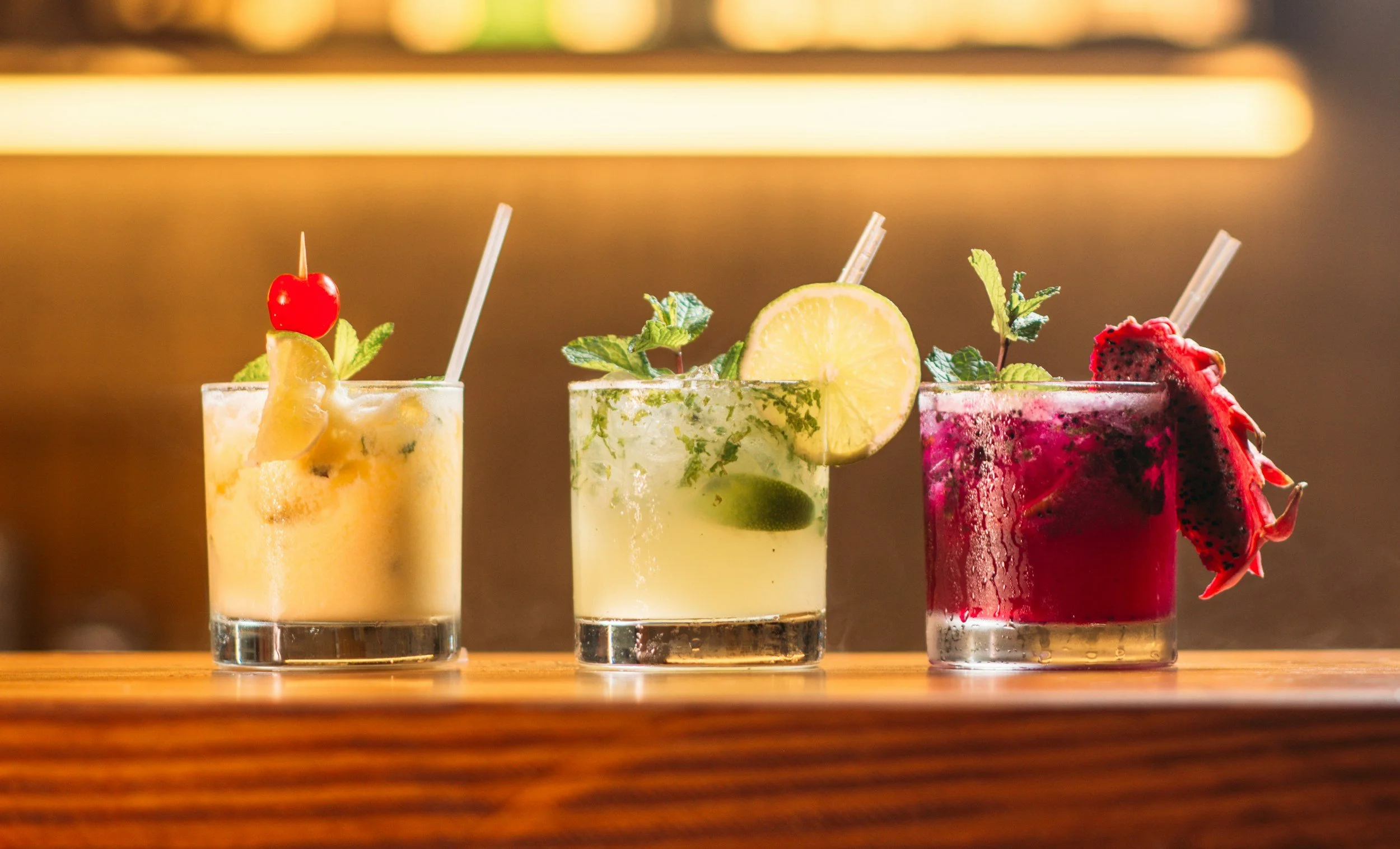
Photo by: Kobby Mendez
Table of Contents
Why Alcohol Comes Up More in the Summer
What Alcohol Actually Does in the Gut
Common Digestive and Energy Effects You Might Notice
Why Symptoms Often Feel Worse in Warm Weather
Evidence-Based Ways to Support Your Gut if You’re Drinking
Hydration and Electrolyte Balance
Nutrition Strategies Before and After Drinking
Lifestyle Habits That Reduce Gut Stress
Final Thoughts & How Katie Chapmon Nutrition Can Support You
References
Author Bio
Why Alcohol Comes Up More in the Summer
Summer tends to shift routines in a way that naturally increases alcohol intake for many people — more social events, vacations, outdoor dinners, and relaxed schedules. It’s not necessarily about “drinking more,” but about drinking more inconsistently, often alongside changes in sleep, hydration, and eating patterns.
What people don’t always connect is how quickly these shifts can show up in the gut. If you’ve ever noticed more bloating, irregular digestion, or feeling more fatigued during summer social seasons, alcohol may be part of the picture — not as a moral issue, but as a physiological one.
This article will break down:
How alcohol affects the gut and digestion
Why symptoms often feel more noticeable in summer
What actually helps support your body if you are drinking
How to keep digestion and energy more stable overall
What Alcohol Actually Does in the Gut
Alcohol has a direct and indirect impact on the digestive system. It doesn’t just affect how you feel in the moment — it can influence digestion for hours to days afterward.
Gut lining and inflammation
Alcohol can temporarily increase intestinal permeability (often referred to as “gut lining irritation”). This can make digestion feel more sensitive and may contribute to bloating, discomfort, or food intolerance symptoms in some people.
Gut microbiome balance
Alcohol can shift the balance of gut bacteria, reducing beneficial microbes and allowing less supportive strains to become more prominent. Over time, this can affect digestion, immunity, and even mood regulation through the gut–brain axis.
Digestion and motility
Alcohol can either speed up or slow down digestion depending on the person and amount consumed. This is why some people experience diarrhea after drinking, while others notice constipation or sluggish digestion.
Blood sugar and nutrient absorption
Alcohol can interfere with blood sugar regulation and nutrient absorption, particularly B vitamins and minerals involved in energy production. This can contribute to next-day fatigue or “off” energy levels.
Common Digestive and Energy Effects You Might Notice
Not everyone reacts to alcohol the same way, but common patterns include:
Bloating or abdominal discomfort
Changes in bowel movements (constipation or loose stools)
Increased acid reflux or indigestion
Poor sleep quality
Next-day fatigue or brain fog
Stronger cravings for sugary or salty foods
These symptoms are often more noticeable when alcohol is combined with other summer factors like dehydration, irregular meals, and heat exposure.
Why Symptoms Often Feel Worse in Warm Weather
Summer can amplify the effects of alcohol on digestion and energy for a few key reasons:
1. Dehydration
Alcohol is a diuretic, meaning it increases fluid loss. In warmer temperatures, you’re already losing more fluids through sweat, which can intensify dehydration-related symptoms like constipation, headaches, and fatigue.
2. Electrolyte depletion
When fluid loss increases without adequate electrolyte replacement, digestion and energy production can feel less efficient. This may contribute to sluggish bowel movements or increased fatigue.
3. Irregular eating patterns
Alcohol is often consumed instead of or alongside meals that are less balanced than usual. Skipping protein or fiber can slow digestion and worsen blood sugar instability.
4. Sleep disruption
Even small amounts of alcohol can reduce sleep quality, which directly impacts gut motility, hormone regulation, and energy the next day.
Evidence-Based Ways to Support Your Gut if You’re Drinking
Hydration and Electrolyte Balance
One of the simplest and most effective strategies is hydration — but with intention.
Drink water consistently throughout the day, not just during or after alcohol consumption
Include electrolyte-rich fluids (sodium, potassium, magnesium)
Alternate alcoholic drinks with water when possible
This helps reduce dehydration-related digestive and energy symptoms.
Nutrition Strategies Before and After Drinking
What you eat before and after alcohol matters more than most people realize.
Before drinking:
Include a balanced meal with protein, fat, and fiber
Examples: salmon with vegetables, chicken with rice and avocado, or eggs with whole grains
This helps slow alcohol absorption and stabilize blood sugar
After drinking:
Focus on gentle, nutrient-dense meals
Prioritize hydration and easy-to-digest foods
Avoid skipping meals the next day, which can worsen energy crashes
Lifestyle Habits That Reduce Gut Stress
Small adjustments can significantly reduce how alcohol impacts your system:
Avoid drinking on an empty stomach
Prioritize sleep recovery after social events
Incorporate gentle movement the next day (walking can support gut motility)
Give your body alcohol-free days to support microbiome recovery
The goal isn’t restriction — it’s reducing cumulative stress on the gut system.
Final Thoughts & How Katie Chapmon Nutrition Can Support You
Alcohol in the summer isn’t inherently the problem — it’s how it interacts with hydration, digestion, sleep, and routine that often creates symptoms.
If you notice bloating, fatigue, or digestive changes during summer social seasons, your body is likely responding to a combination of factors, not just alcohol alone.
At Katie Chapmon Nutrition, we help clients:
Understand how lifestyle choices impact gut health and energy
Improve digestion without restriction or elimination-based approaches
Support microbiome balance through sustainable nutrition habits
Use tools like gut microbiome testing when appropriate for deeper insight
If you want support navigating digestion, energy, or summer lifestyle shifts:
Sign up for the Katie Chapmon Nutrition newsletter
Book a free 30-minute meet & greet consultation
Learn whether gut microbiome testing could help personalize your care
Your gut doesn’t respond to perfection — it responds to patterns.
References
National Institute on Alcohol Abuse and Alcoholism (NIAAA)
Harvard T.H. Chan School of Public Health – Alcohol and Health
National Institutes of Health (NIH): Gut Microbiome Research
Pimentel, M. et al. (IBS and gut permeability research)
Published: July 22nd, 2026
This blog post was written by Ella Holmes, an administrative assistant at Katie Chapmon Nutrition. Ella works closely with Katie Chapmon and Amanda Sikkema, and Julia Tedder, our Registered Dietitians who are currently accepting new clients