Loving Your Gut: What It Really Means to Care for Your Body
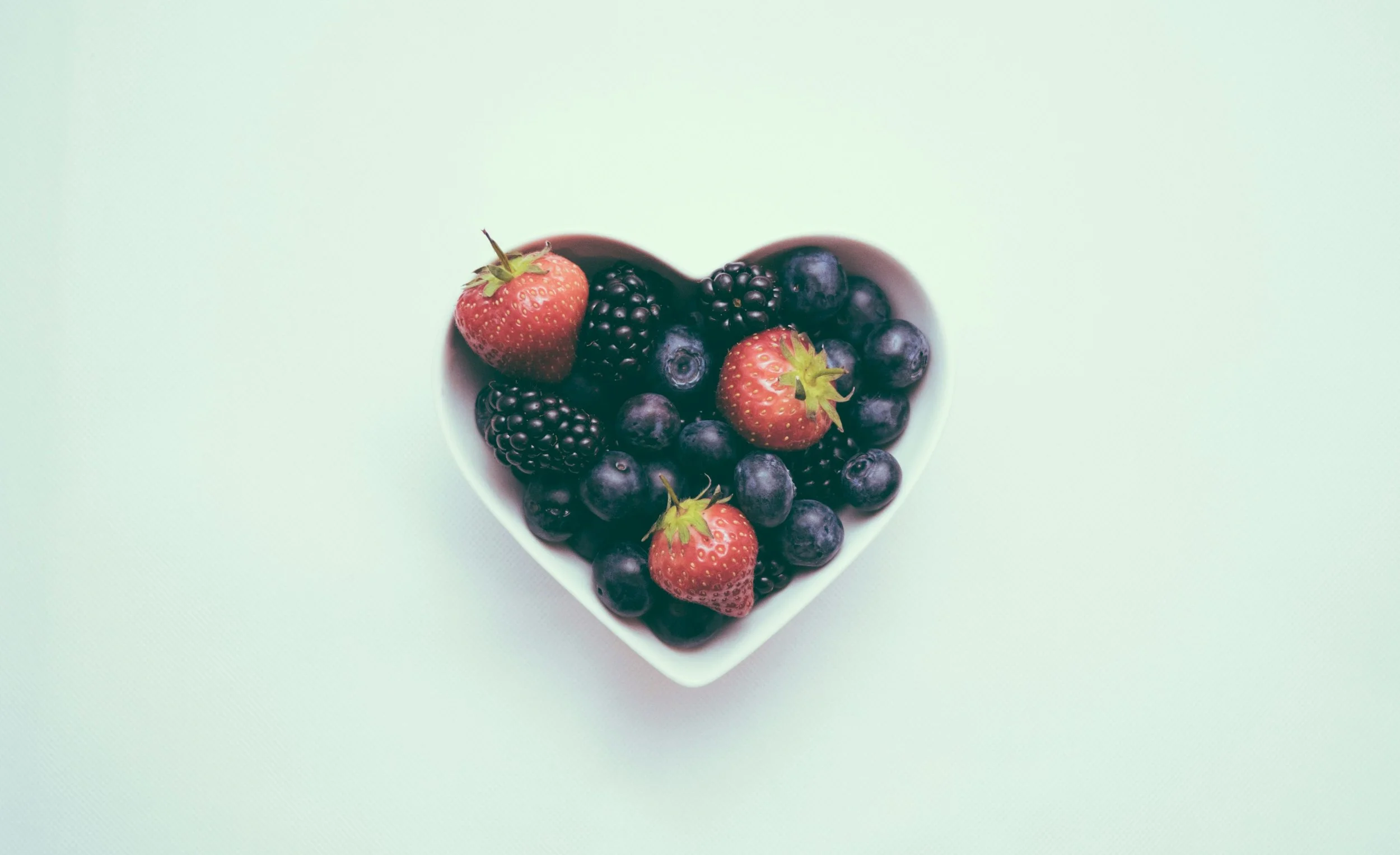
Photo by: Jamie Street
Table of Contents
Self-Love Starts From the Inside
Why Gut Health Matters
Common Misconceptions About Gut Health
Nutrition Tips to Support Your Gut
Lifestyle Habits That Support Gut Health
Sustainable Gut Habits Are Built Through Consistency
A Valentines Promise to Yourself
Take the Next Step in Your Gut Health Journey
Self Love Starts From The Inside
Valentine’s Day is often associated with chocolates, roses, and romantic gestures—but the most important relationship you’ll ever have is the one you have with your own body. And at the heart of that relationship? Your gut.
Your gut is more than a digestion system—it’s a complex ecosystem that affects your energy, mood, immunity, and even your hormones. Caring for your gut is one way to support your body and build a more connected relationship with your health.
At Katie Chapmon Nutrition, we believe caring for your health starts with nourishment, listening to your body, and supporting it over the long term. When something feels “off” with your gut, that’s not a failure—it’s useful information. Exploring what your body may need and addressing root causes can help you build sustainable habits that support your health year-round. Think of it as a Valentine’s gift to yourself that keeps giving all year.
Why Gut Health Matters
The gut influences nearly every system in your body. When digestion isn’t functioning optimally, it can affect:
Energy and fatigue: Poor digestion can prevent your body from absorbing nutrients, leaving you sluggish.
Mood and mental clarity: Gut bacteria communicate with your brain through the gut-brain axis, affecting stress response, focus, and overall mood.
Immune function: About 70% of your immune system is located in your gut. Supporting it helps defend against illness.
Hormone balance: Thyroid, cortisol, and sex hormones can all be impacted by gut health.
Inflammation and nutrient absorption: A healthy gut lining ensures nutrients from food are absorbed efficiently and inflammation is minimized.
When your gut is out of balance, you might notice bloating, irregular bowel movements, brain fog, stubborn weight changes, or fatigue. These aren’t “failures”—they’re messages asking for support. Listening to these signals is an essential act of self-care.
Common Misconceptions About Gut Health
Many people think gut health means:
Cutting out all “problem” foods like gluten or dairy
Only taking probiotics
Fixing digestion with fad diets or detoxes
In reality, gut health is much more nuanced. While some people may benefit from short-term, personalized elimination strategies, gut health is rarely supported by broad or restrictive approaches applied across the board.
At Katie Chapmon Nutrition, we focus on individualized care—listening to your body, identifying root causes, and using nutrition and lifestyle strategies that support digestive function and long-term gut health. This personalized approach helps build resilience and balance, rather than relying on one-size-fits-all solutions.
Nutrition Tips To Support Your Gut
Instead of asking, “What should I cut out?” shift your mindset to “What can I add to support my gut?”
Here’s how you can nourish your gut with food:
1. Fiber diversity: Vegetables, fruits, legumes, and seeds provide prebiotics—food for your healthy gut bacteria. Eating a rainbow of plant-based foods ensures a variety of fibers for a thriving microbiome.
2. Protein: Adequate protein supports tissue repair, enzyme production, and balanced blood sugar. Sources include eggs, fish, poultry, legumes, and plant-based proteins like tempeh.
3. Healthy fats: Olive oil, avocado, nuts, and fatty fish reduce inflammation and support the gut lining, helping your digestive system function efficiently.
4. Fermented foods: Yogurt, kefir, sauerkraut, kimchi, and miso introduce beneficial bacteria, supporting a diverse microbiome. Starting small—1–2 servings per day can make a noticeable difference.
5. Micronutrients: Zinc, magnesium, iron, and B vitamins are essential for digestive health, hormone balance, and energy production.
6. Hydration: Water alone isn’t always enough. Include electrolytes from mineral-rich foods, herbal teas, or natural broths to support optimal digestion.
💡Amanda’s Tip: Pair fiber-rich meals with fermented foods or healthy fats. This combination helps stabilize blood sugar and improve nutrient absorption, while also supporting a healthy microbiome.
Lifestyle Habits Support Gut Health
Gut health isn’t just about what’s on your plate. Daily lifestyle habits have a significant impact on digestion, microbiome balance, and overall wellness:
Manage stress: Chronic stress can disrupt gut bacteria and slow digestion. Practices like deep breathing, journaling, meditation, or yoga can help calm the nervous system.
Prioritize sleep: The gut repairs and regenerates during sleep, and sleep disruption can affect hormones that regulate appetite and digestion.
Move gently: Activities like walking, yoga, stretching, or light strength training support gut motility and circulation.
Mindful eating: Slow down during meals, chew thoroughly, and tune into hunger and fullness cues. Mindful eating reduces bloating and promotes better digestion.
Even small, consistent adjustments make a difference. Over time, these habits become the foundation of long-term gut health—and true self-care.
Sustainable Gut Habits Are Built Through Consistency
Supporting your gut isn’t about doing everything perfectly—it’s about showing up consistently and responding to what your body needs over time.
Progress comes from steady, intentional habits, not all-or-nothing approaches. In some cases, targeted changes or short-term restrictions may be part of the process, but they work best when used thoughtfully and with a clear purpose.
At Katie Chapmon Nutrition, we view gut health as an evolving process. By focusing on root causes, adjusting strategies as the body heals, and building habits that can be maintained long term, we help clients move toward lasting digestive health—rather than cycling through quick or one-size-fits-all solutions.
A Valentines Promise To Yourself
This Valentine’s Day, give yourself the gift of care. Make a promise not to change your body, but to nourish, support, and listen to it:
Choose foods that make you feel energized
Support your gut with fiber, protein, healthy fats, and fermented foods
Prioritize habits that reduce stress and improve digestion
Even small changes, done consistently, create lasting benefits for your digestion, energy, and overall well-being. Loving your gut is an act of self-love that impacts every aspect of your life.
💡 Katie’s Tip: Start with one small change this week—like adding a serving of fermented food or committing to 7–8 hours of sleep. Notice how your body responds and builds from there.
Take The Next Steps In Your Gut Health Journey
Your gut plays a central role in your overall health, and when something feels off, it’s important to listen and take action. Many people feel unwell even when standard tests appear “normal,” and at Katie Chapmon Nutrition, we honor your experience and help you navigate those gray areas.
If you’re ready to explore personalized nutrition, functional testing, and integrative support, reach out to Katie Chapmon Nutrition to start your journey toward feeling your best.
Published: February 4th, 2026
This blog post was written by Ella Holmes, an administrative assistant at Katie Chapmon Nutrition. Ella works closely with Katie Chapmon and Amanda Sikkema, Registered Dietitians who are currently accepting new clients.