
Clarity Starts Here
Get answers, insights, and tips about nutritional challenges and healthy eating. Backed by evidence-based strategies and decades of knowledge.
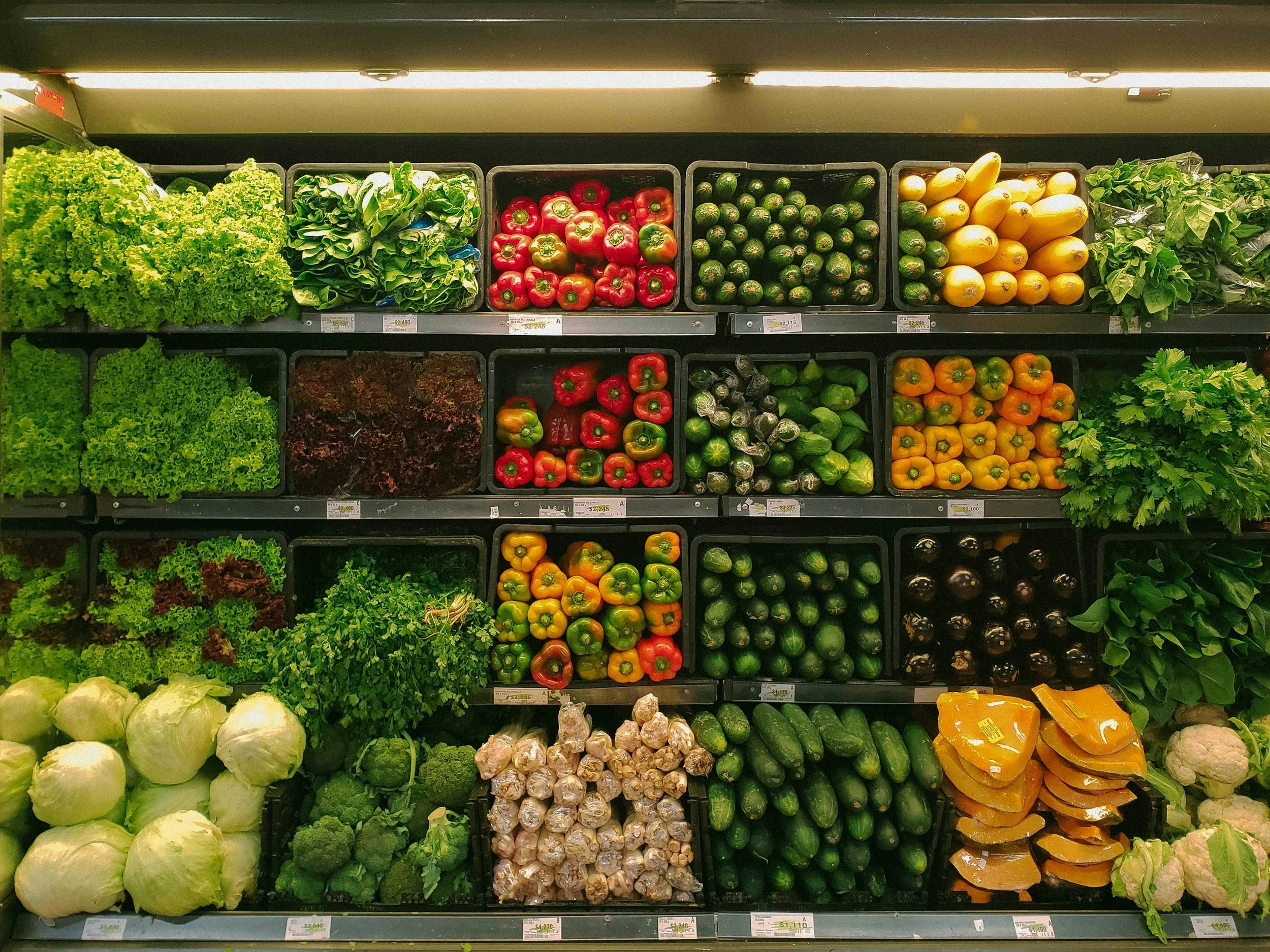
National Fruits & Veggies Month: Fiber Basics — Why It Matters and How to Get Enough
Fruits and vegetables are often recognized for their vitamins, minerals, and antioxidants — but one of their most important benefits is their fiber content.

What to Do When Nutrition Feels Like ‘One More Thing’: Simplifying Nourishment Without the Overwhelm
Nutrition is often presented as something that should make you feel better, more in control, and more energized. But for many people, there comes a point where it starts to feel like just another task on an already full list.

Why Digestive Conditions Like Gastroparesis Require Individualized Nutrition
Digestive symptoms are often treated as if they come from a single cause — or as if one diet approach should work for everyone. In reality, conditions that affect digestion are highly individualized, especially when motility, absorption, and gut–brain communication are involved.

Alcohol, Gut Health, and Summer: What Actually Matters
Summer tends to shift routines in a way that naturally increases alcohol intake for many people — more social events, vacations, outdoor dinners, and relaxed schedules. It’s not necessarily about “drinking more,” but about drinking more inconsistently, often alongside changes in sleep, hydration, and eating patterns.

Why Summer Digestive Changes Can Drain Your Energy (And What to Do About It)
If you’ve ever felt more fatigued, sluggish, or “off” during the summer, even when you’re getting sunshine and being active, you’re not alone. Most people assume it’s just the heat. But in many cases, digestion plays a bigger role than expected.

Your Gut Loves Routine—Even When Your Schedule Doesn’t
When people think about gut health, they usually focus on what they eat. But just as important is when and how consistently they eat.

Hormonal Health Isn’t Just a Women’s Issue: A Gut-Forward Approach to Men’s Wellness
June is Men’s Health Month, and it’s a good time to talk about something that doesn’t get enough attention: hormonal health in men.

Hormone & Gut Health After 45: Navigating Perimenopause and Menopause with Nutrition
In your forties, the body begins transitioning into perimenopause and eventually menopause. Estrogen and progesterone levels shift—often unpredictably at first—before eventually declining.
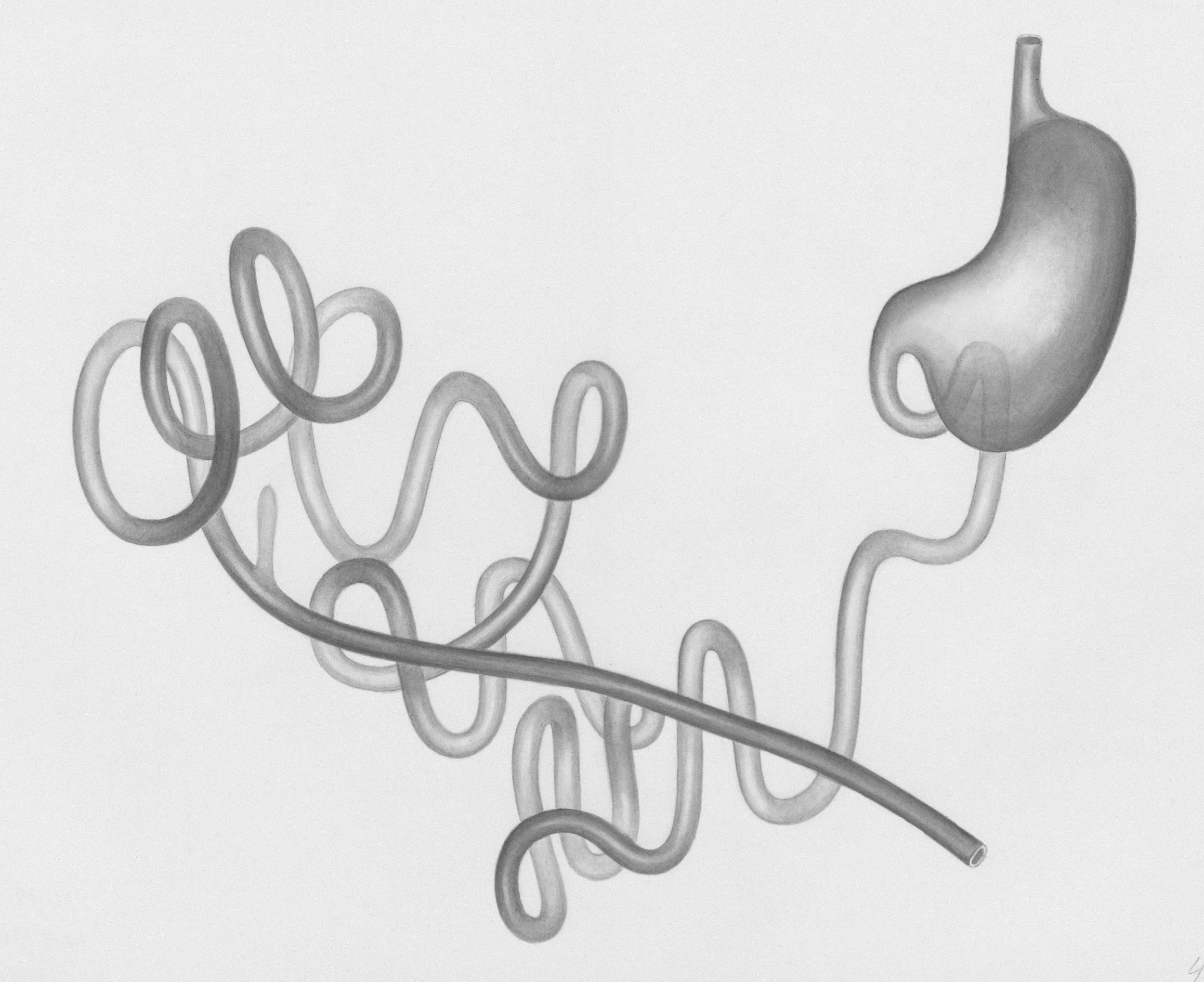
The Gut–Hormone Connection in Your 20s–40s: Building the Foundation for Hormonal Health
When we think about hormones, we often think about the ovaries or thyroid—but one of the most important (and often overlooked) players is the gut.

Nutrition Strategies to Support Stress Resilience
April is Stress Awareness Month, and it’s the perfect time to explore how stress affects your body — and what you can do to support resilience.

IBS, Stress, and the Nervous System: When Functional Testing Can Be Helpful
April is both IBS Awareness Month and Stress Awareness Month, making it the perfect time to talk about a key truth many people with IBS already feel: IBS is not just about the gut.

Functional Nutrition for Women: Why Personalized Care Matters
Women’s History Month is an opportunity not only to celebrate women’s achievements, but also to acknowledge long-standing gaps in healthcare and nutrition research.
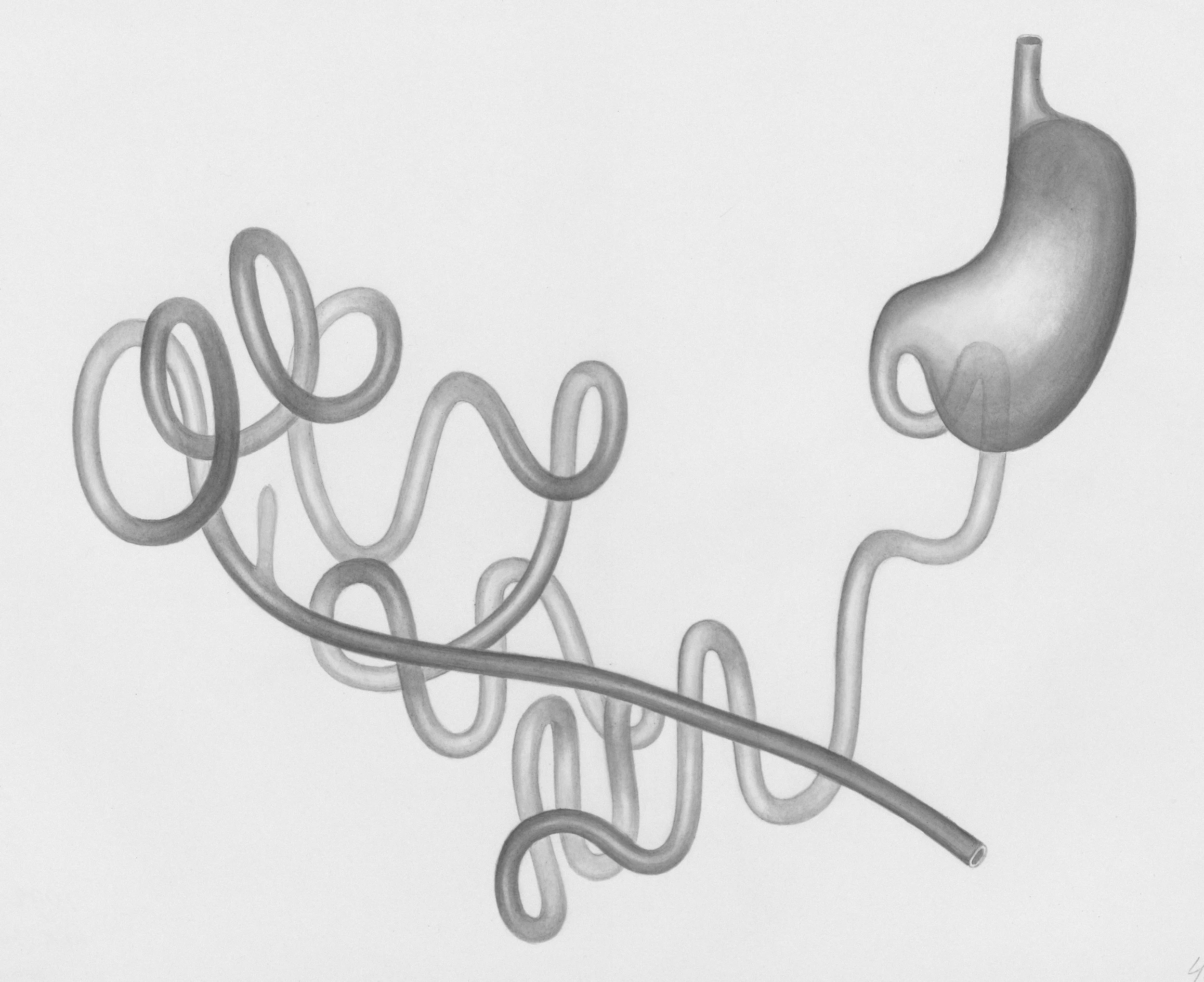
Back to the Basics: Nutrition Fundamentals That Support Gut and Hormone Health
March is National Nutrition Month, a time to step back from trends and remember that nutrition doesn’t have to be complicated to be effective.
Heart-Healthy Nutrition That Supports Hormones & Metabolism
February is American Heart Month, a perfect reminder to celebrate your body by prioritizing your heart. But heart health isn’t just about blood pressure or cholesterol—it’s intimately connected with hormone balance and metabolism.

Loving Your Gut: What It Really Means to Care for Your Body
Valentine’s Day is often associated with chocolates, roses, and romantic gestures—but the most important relationship you’ll ever have is the one you have with your own body. And at the heart of that relationship? Your gut.
Thyroid Health and Digestion: How Thyroid Dysfunction Impacts Gut Health, Energy, and Hormones
January is Thyroid Awareness Month, making it the perfect time to talk about a small gland that has a big impact on how your body functions — including digestion.

3 Lifestyle Habits That Can Improve Your Menopause Experience
Menopause marks a significant transition in a woman’s life, with changes that impact both physical and emotional well-being. While hormonal shifts contribute to a range of symptoms, adopting key lifestyle habits can help mitigate these effects and improve overall health. Focusing on lifestyle interventions, such as resistance training, quality sleep, and targeted supplementation, may offer substantial benefits during this phase of life.

Understanding Menopause - the Symptoms and Risks
Menopause is a natural biological process that occurs in stages, marking the cessation of menstruation and the end of a woman’s reproductive years. The timing, duration, and progression of these stages vary considerably from person to person. Despite growing research, there is still much to learn about the nuances of menopause. A simplified summary of the stages of menopause are as follows:

Top 5 Evidence-Based Nutrition Strategies for a Smoother Menopause Transition
Nutritional strategies play a pivotal role in supporting the physiological changes associated with menopause. During menopause, ovarian estrogen production declines and eventually stops all together, many women experience a variety of symptoms—including hot flashes, sleep disturbances, mood fluctuations, and increased risk of osteoporosis and cardiovascular disease. Research indicates that targeted nutritional interventions can modulate symptom severity and contribute to overall well-being during this transition. Below are five scientifically supported nutrition strategies to support the menopausal transition.

When to Seek Extra Support for Endometriosis
Living with endometriosis can be overwhelming—physically, emotionally, and mentally. While lifestyle and nutrition strategies offer important relief, there are times when managing symptoms on your own isn’t enough. At times, we often see clients wait too long to seek extra help, hoping symptoms will improve on their own. The truth is: asking for support is not a sign of weakness—it’s a vital step in managing this complex condition.